Monterey Park Roof Inspection is a free referral service. We connect callers with independent local roofing professionals. Most homeowners here call for one of three reasons: a stain appeared after the last winter storm, a home purchase is moving fast and the roof is the unknown in it, or the roof is simply old enough that nobody remembers its last proper check. Monterey Park roofs work quietly for decades — shingle, tile, and flat sections side by side across the hills — until one detail gives way. Call, describe your roof, and we connect you with a local professional who can get up there, look at it properly, and tell you plainly where it stands.
Free referral help for roof inspection in Monterey Park — we connect you with a local professional.
Focused on roof inspection
Calls answered day and night
All Monterey Park neighborhoods
No obligation — just answers
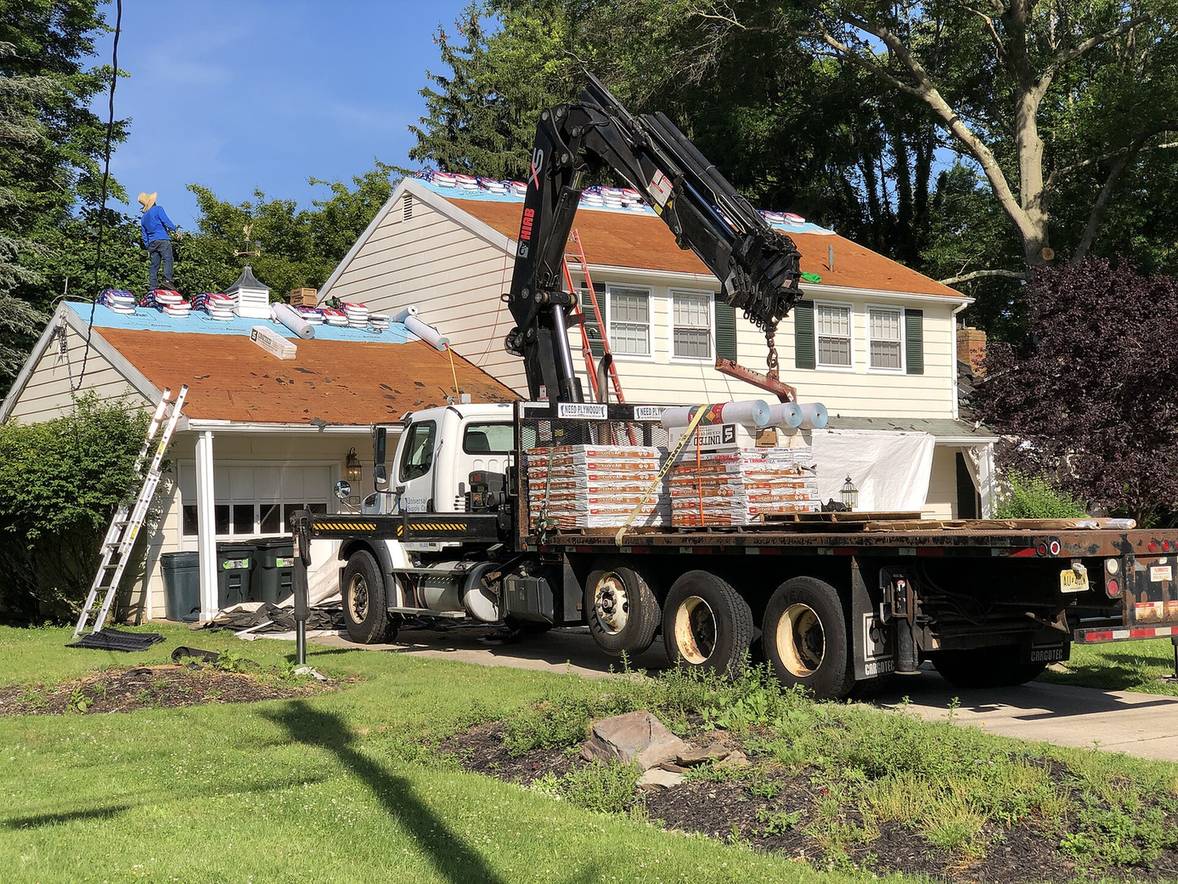
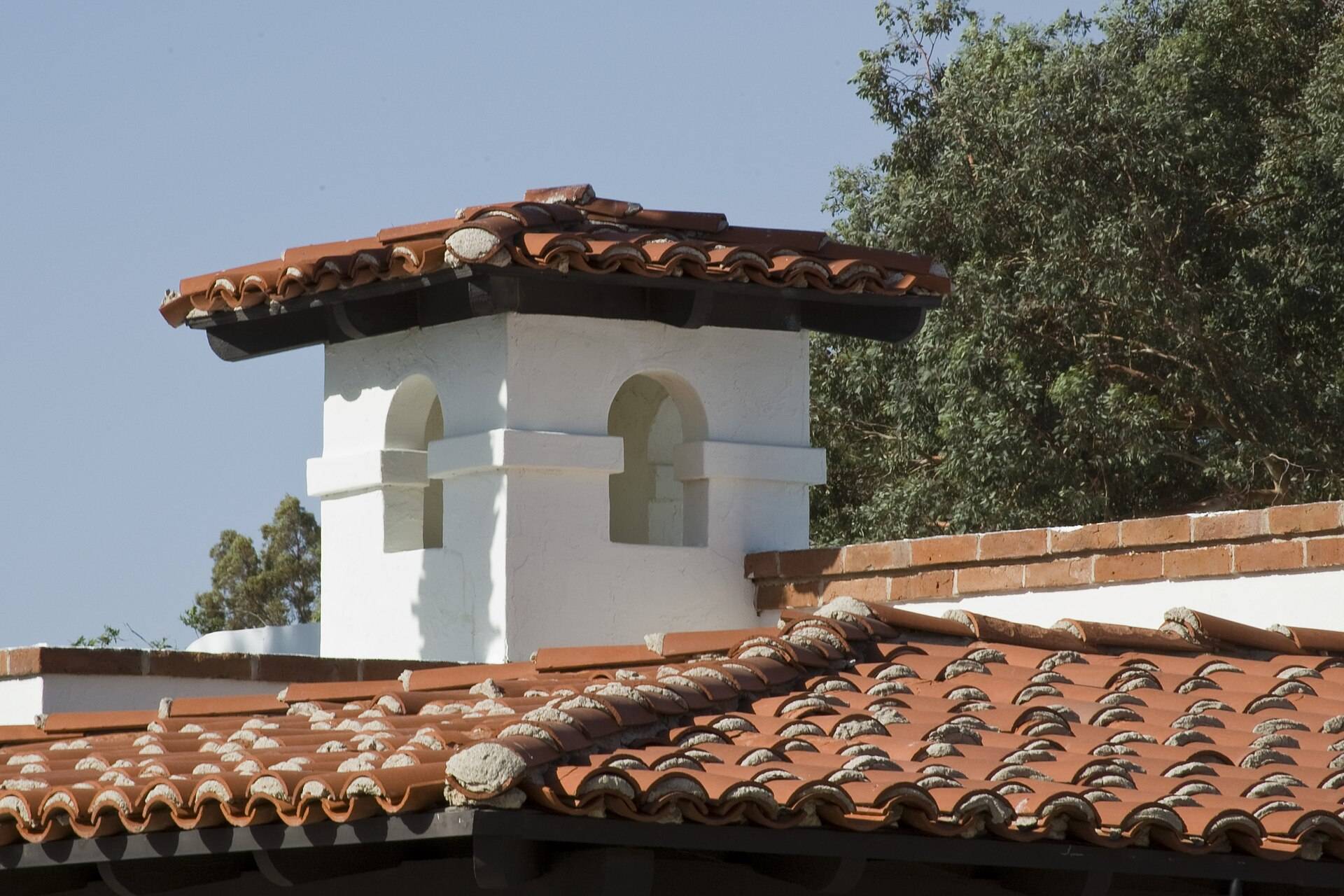
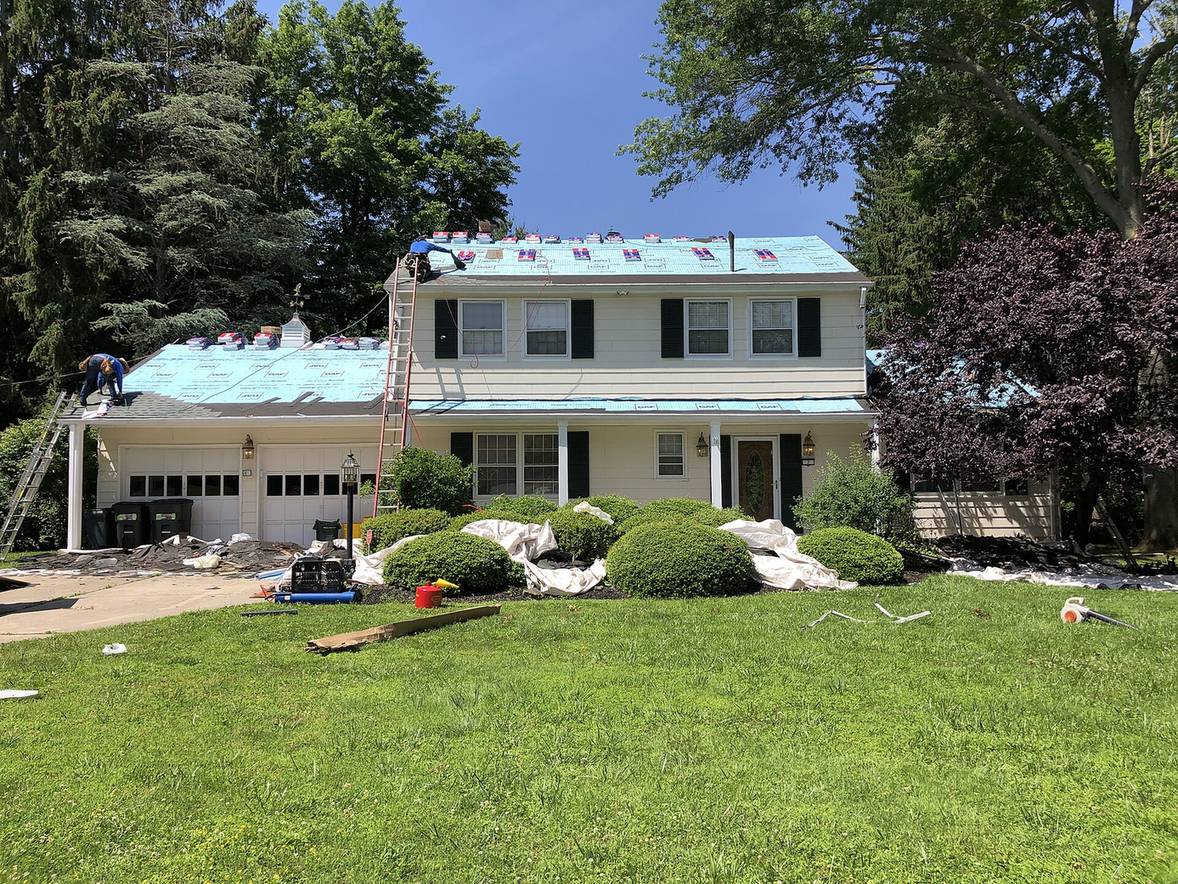
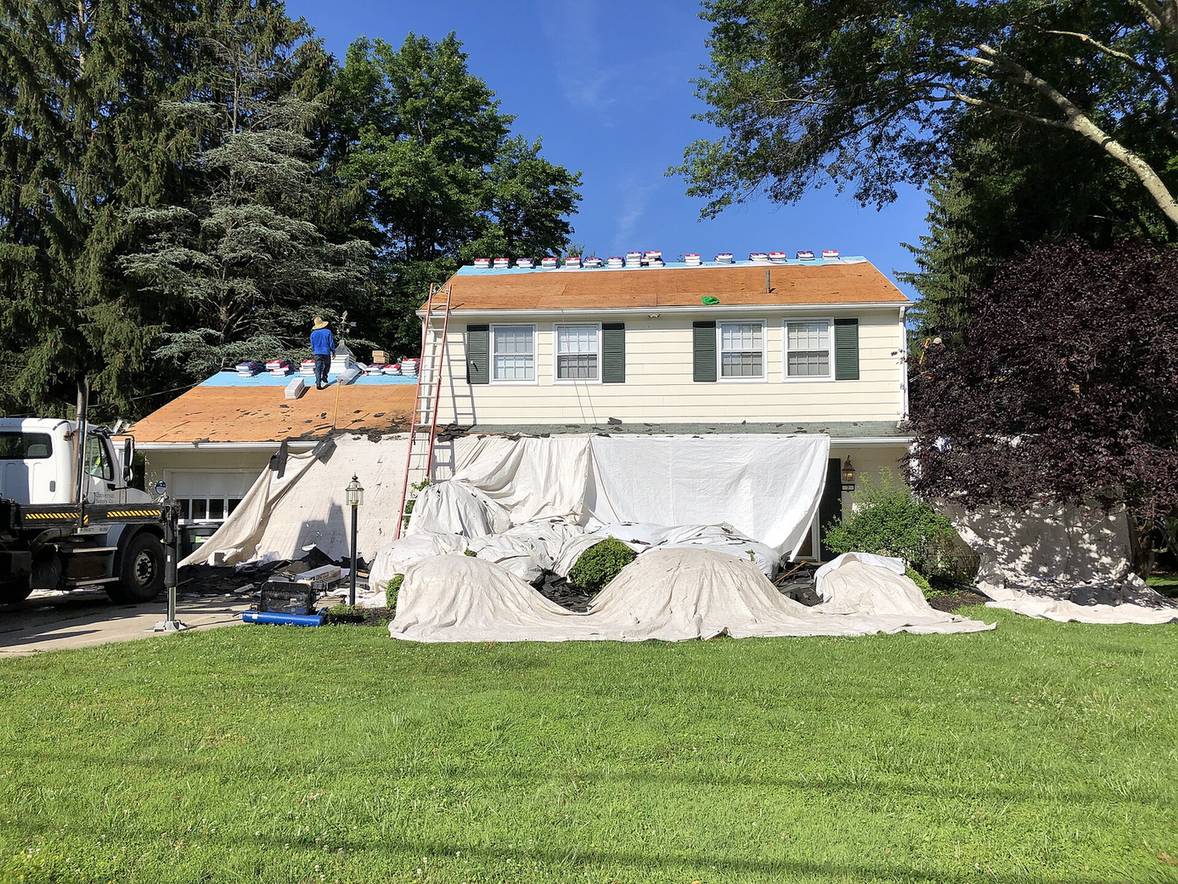
Roof work under way on a suburban home — an inspection starts with the same close look at every plane and detail.Tile roofs are common across Monterey Park — and are checked tile by tile, not from the street.
What a roof inspection covers
Covering material checked across every roof plane
Flashing, vents, valleys, and ridge details examined
Gutters and drainage paths looked over
Attic signs checked from inside where access allows
What is a roof inspection, and when does a Monterey Park home need one?
A roof inspection is a structured, close-up examination of everything that keeps weather out of your house: the covering material on each slope, the metal flashing where the roof meets chimneys, walls, and vents, the seals at every pipe and penetration, the valleys that carry water off, and the gutters and drainage paths that finish the job. Where the attic is reachable, the underside of the deck is checked too, because water usually announces itself there — as staining, damp insulation, or a line of daylight — long before it marks a ceiling. The point is not a sales visit. It is a condition report, in plain language, on the one part of the house most owners almost never see.
Monterey Park gives an inspector plenty of variety. The city's housing runs from 1920s Spanish-style homes north of Garvey Avenue to postwar tracts, hillside houses in the Monterey Highlands with views over the valley, and newer infill with low-slope sections over garages and patios. A full roof inspection follows one method across all of them, but what it finds differs by material and era: shingles telegraph their age in curling and grit, tile hides its problems underneath, and flat sections fail quietly at seams and drains. When the question is bigger than one repair — when you want the roof's overall remaining life assessed — that is the work of a roof condition assessment, which the same call can arrange.
When you call, expect questions about the roof itself: what it is made of, roughly how old it is if you know, and what prompted the call. From there we connect you with an independent local roofing professional. Your provider arranges a time, carries out the inspection, and walks you through the findings directly. Any decision about follow-up work is made with that provider, with the findings in hand. Nothing is booked, ordered, or agreed to on the first call.
Services
Inspection services you can be connected with in Monterey Park
Every call here is about knowing the roof's true condition — but the right kind of inspection depends on the situation, from a stain that will not explain itself to a purchase deadline that will not move.
Roof Inspection
The core service: a complete, methodical check of the whole roof system — covering, flashing, penetrations, valleys, drainage, and attic signs — ending in a plain-language account of condition. A roof inspection is the right call when the roof is aging, when you have never had it looked at properly, or before the rainy season tests it again. It suits shingle, tile, and flat roofs alike, and it is the baseline every other service on this page builds on.
A stain on the ceiling means water has already crossed the roof and the attic — and where it gets in is rarely straight above the mark. A roof leak inspection traces the water back to its entry point so the fix lands on the cause.
After heavy winter rain or a wind event, damage hides in lifted edges, shifted tiles, and debris-choked valleys. A storm damage roof inspection documents what the weather did while the evidence is fresh.
Buying in Monterey Park usually means buying an older roof along with the house. A pre-purchase roof inspection gives you the roof's real condition and near-term needs before the decision is final.
Sometimes the question is not one leak but the whole picture: how much useful life is left, and what will the roof need over the next several years? A roof condition assessment answers that with a documented, plane-by-plane evaluation — the document owners use to plan, sellers use to disclose honestly, and landlords use to schedule work across a property instead of reacting to it.
Water coming through the ceiling tonight, a section of roof open after a storm, a tree limb down — some inspections cannot wait for a quiet week. Emergency roof inspection help is one call away, day or night.
Roofs rarely fail without warning — they send signals first, usually inside the house or in the gutters. If two or more of these sound familiar, a roof inspection is worth arranging before the next storm season.
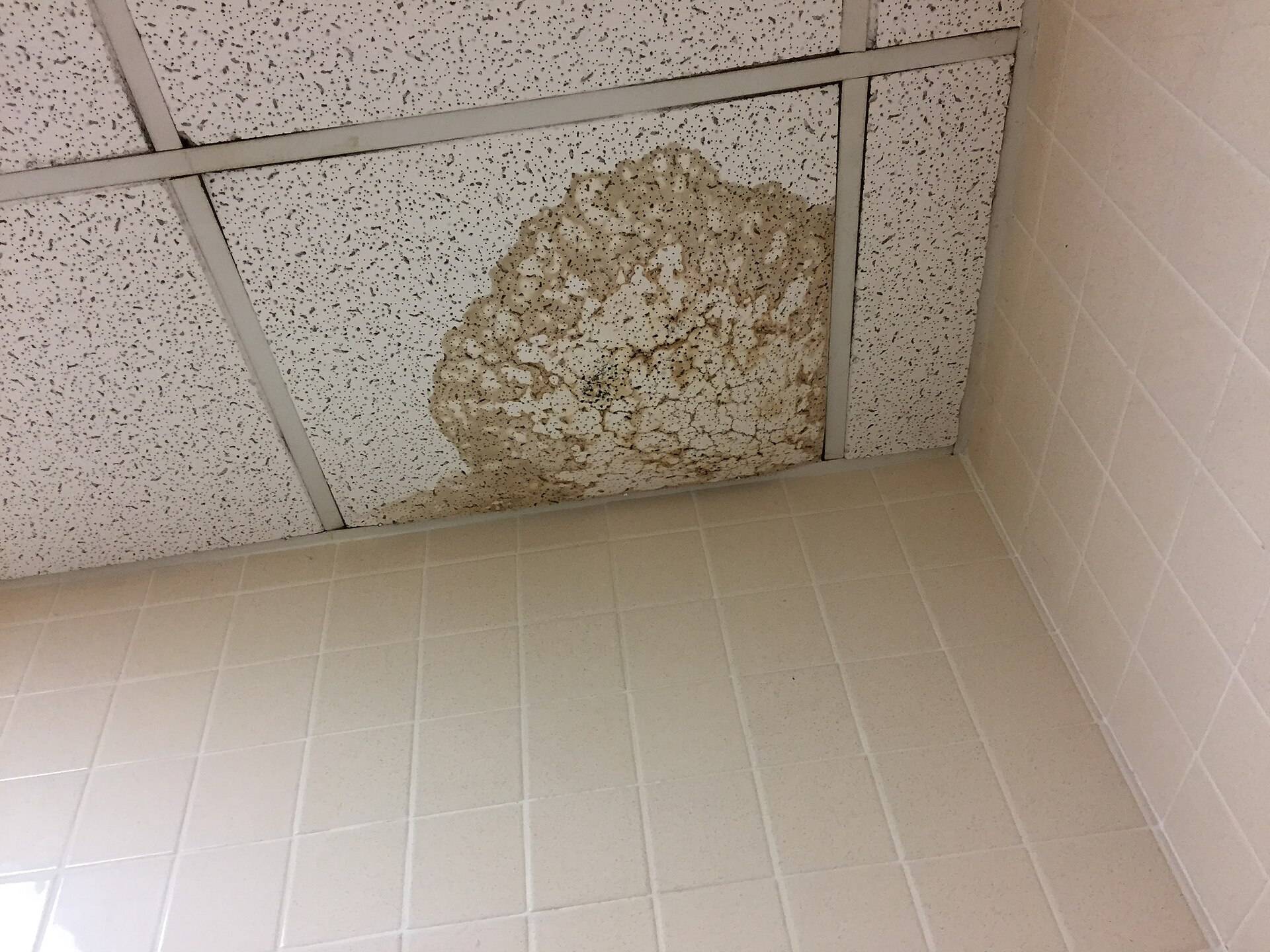
A ceiling stain that grows
A ring that fades in dry months and darkens after every hard rain means water has a dependable path in. The path, not the stain, is what needs finding.
Grit in the gutters
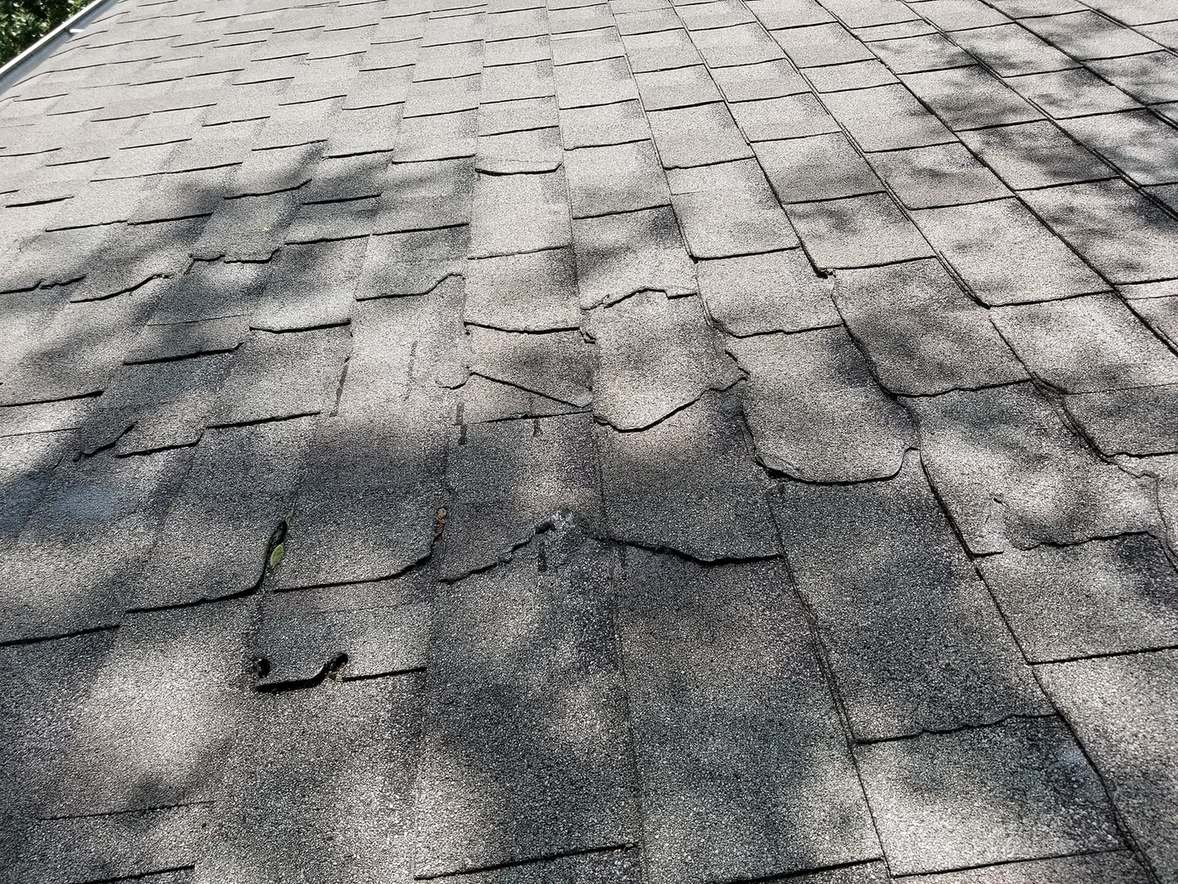
Sand-like granules washing off shingles and collecting at downspouts. Shingles shed their protective surface as they age, and the gutter keeps the evidence.
Curling or cracked shingles
Edges cupping upward and surfaces cracking after years of San Gabriel Valley sun. Curled shingles shed water poorly and catch at every gust of wind.
Slipped or broken tiles
Tile fragments in the yard, a visible gap in a tile field, or a ridge line that has shifted. On tile roofs the covering underneath does the waterproofing, and gaps expose it.
Debris holding in valleys
Leaves and sediment packing the channels that carry water off the roof — a Monterey Park constant under mature street trees. Blocked valleys push water sideways, under the covering.
A roof nobody can date
If no one knows when the roof was last renewed or what state the underlayment is in, a documented inspection replaces guesswork before you plan around the house.
Any single sign can have a small, simple cause — that is exactly why a close look beats worrying from the ground. If water is actively dripping, a section of covering is off, or a limb has come down on the roof, skip the deliberation and go straight to emergency roof inspection. Otherwise, one call gets the roof looked at properly and its condition explained in terms you can act on.
In-depth guide
Why Monterey Park roofs age the way they do — and what an inspection looks for
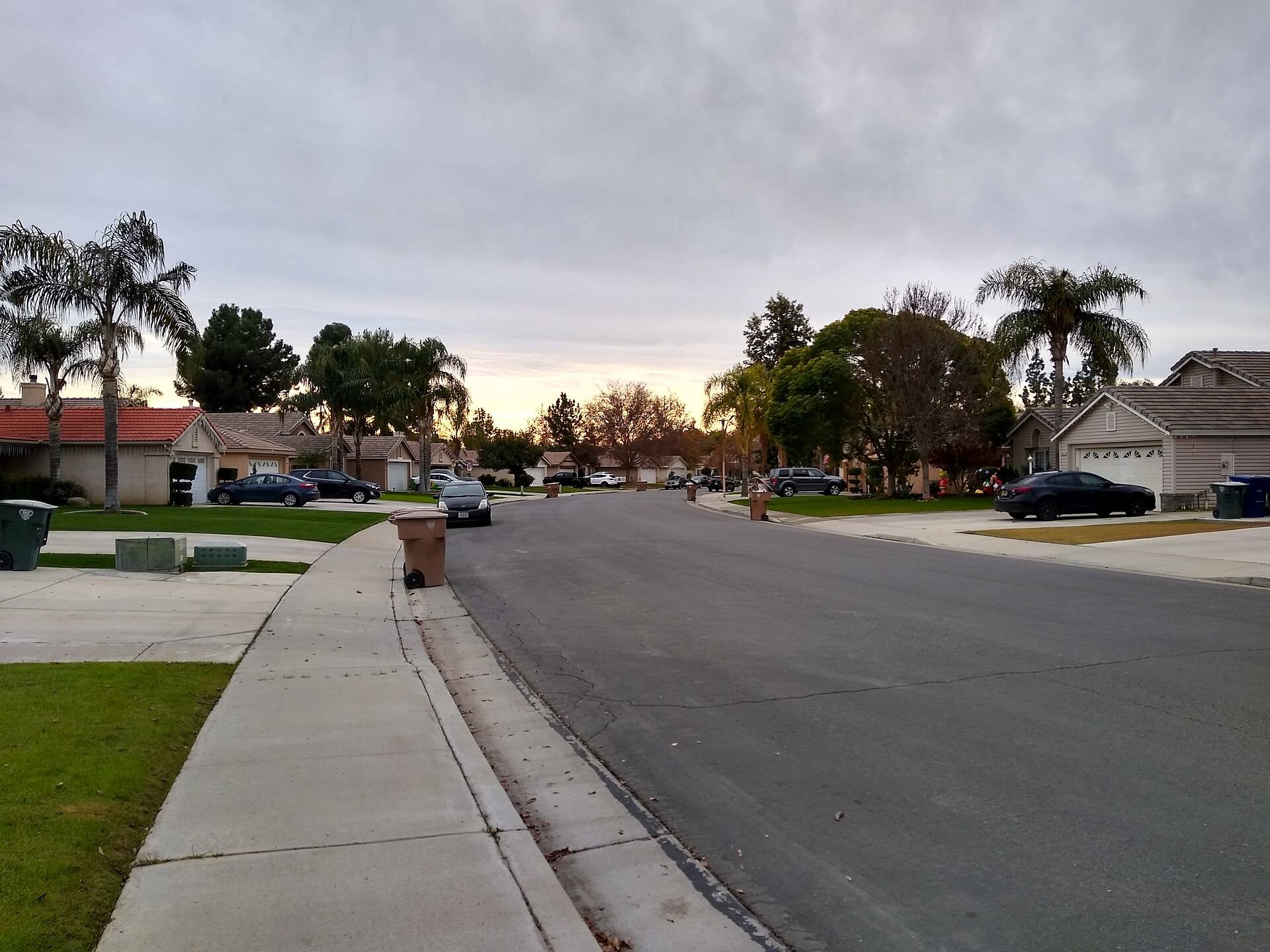
Monterey Park sits in the hills and flats at the western edge of the San Gabriel Valley, and its roofs live a particular life: long, hot, dry summers; a concentrated rainy season from late fall into early spring; and occasional Santa Ana winds that worry at every loose edge. The city was built out over a full century, so a single street can hold a 1920s Spanish-style house under clay tile, a 1950s ranch under composition shingles, and a newer two-story with a flat section over the garage. An inspection has to read each of those roofs on its own terms.
Hillside houses and valley views
The Monterey Highlands and the streets climbing toward the Monterey Hills carry the city's most exposed roofs. Elevation brings wind that flat-lot homes never feel, and it brings drainage questions too: water shed from an upper slope has to be carried somewhere, and on split-level hillside houses it often crosses a lower roof on its way down. Inspectors working these streets pay particular attention to the junctions between levels, to gutters sized for the slope above them, and to tile and shingle edges on the windward side. The same views that make these homes desirable are a reliable sign that the roof lives a harder life than the address suggests.
Three materials, three aging patterns
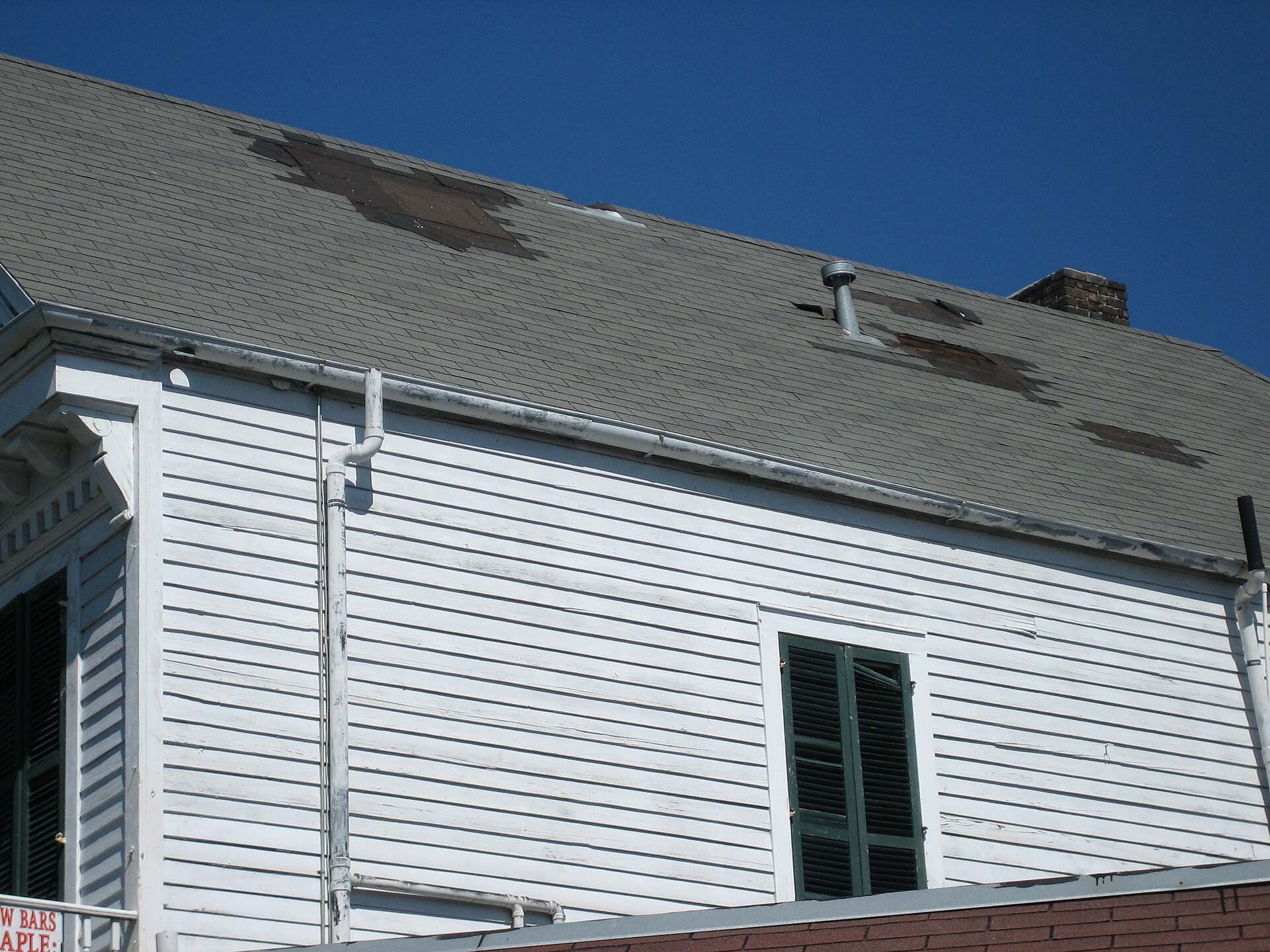
Composition shingles are the valley's workhorse, and they age visibly: granule loss, curling, and cracking announce themselves years before leaks begin — if anyone looks. Clay and concrete tile present the opposite problem; the surface can look sound for decades while the underlayment beneath it quietly reaches the end of its life, which is why tile roofs are assessed at their edges, penetrations, and valleys rather than by appearance. Low-slope and flat sections — common over Monterey Park garages, patios, and rear additions — fail at seams, drains, and ponding spots, and they hide their condition from the street entirely. A proper inspection treats the three materials as three different jobs, because they are.
Good to know
After any storm strong enough to scatter branches, a slow walk around the house tells you plenty: tile fragments or shingles on the ground, gutters suddenly full of grit, a downspout discharging where it never did. Note the date and what you saw — that short record genuinely helps your provider know where to look first.
The rainy-season test
Southern California rain arrives in concentrated bursts, and Monterey Park roofs pass or fail their real examination between November and March. Details that shrug off a drizzle — a cracked seal at a vent pipe, a valley slowed by debris, flashing that has lifted a fraction at a wall — are exactly the details a driving winter rain finds. That is why the sensible inspection calendar here runs ahead of the season: findings in September can still be acted on calmly, while the same findings in January arrive as an emergency call. If your roof has not been checked in several years, the season ahead is reason enough.
Watch out
Be cautious of any firm conclusion about a roof that nobody has actually been up to see. Tile underlayment, deck condition, and the state of flashing cannot be judged from the sidewalk, and statements made without that close look can be wrong in both directions. Your provider will discuss findings — and any costs — with you directly once the roof has been examined properly.
How it works
How it works, from first call to clear findings
Four simple steps, and you stay in control of every decision that involves your home and your money.
1
Call and describe your roof
Call (626) 530-1097 and talk through what you know: the roof's material and age if you have them, the signs that prompted the call, and where in Monterey Park the home is.
2
We connect you with a local professional
Based on your situation and your part of the city, we match your request with an independent local roofing professional, and your provider arranges the visit with you.
3
Your provider inspects and explains
Your provider examines the covering, flashing, drainage, and attic signs, then lays out what was found — what is sound, what is wearing, and what needs attention soon — in plain language.
4
You decide what happens next
You choose whether and when to act on the findings, and any work you agree on is carried out by your provider. Nothing begins until you have approved it with them directly.
To be clear about how this service works: Monterey Park Roof Inspection is a free referral service. We connect callers with independent local roofing professionals. When you call, we connect you with an independent local roofing professional — we do not inspect roofs ourselves. The professionals callers are connected with carry out the inspection and explain the findings; any follow-up work is a separate decision between you and that provider.
Why timing matters
Why a roof question rarely gets cheaper to answer
A roof does not pause while you think about it. The valley sun keeps working on shingle surfaces and tile underlayment every clear day, and each rainy season re-tests every seal the last one softened. A cracked tile that sheds water adequately in October can channel it underneath by February; a vent seal that weeps a little in one storm wets the same patch of decking in every storm after, and decking that stays damp softens month by month. None of these processes announce themselves inside the house until they are well along.
What changes with time is the size of the eventual job. An inspection that finds worn flashing and tired seals describes a modest, plannable piece of maintenance. The same roof examined two winters later may have decking to make good and ceilings to repair as well — the inspection costs the same, but everything it reports has grown. Home sales run on the same clock: a roof question raised by a buyer's side late in a transaction is far harder to answer calmly than one you settled with documentation months earlier.
None of that is a reason to rush. It is a reason to get the facts while the choice is still yours: have the roof examined, learn its condition in writing, and then decide on your own schedule. If the news is that the roof has honest years left, you have lost nothing but a phone call. If water is already coming in or a section is open to the sky, do not wait — see the emergency roof inspection page and call straight away.
Cost factors
What affects the cost of a roof inspection
There is no honest single figure for inspection work, because the job is shaped by the roof itself — its size, height, material, and how much of it can be reached safely. These are the factors that shape it; providers discuss costs directly with you once they know what your roof involves.
Common cost factors
Factor
Why it matters
Roof size and number of planes
More surface and more separate slopes mean more time on the roof checking covering, edges, and junctions one plane at a time.
Pitch, height, and hillside access
Steep pitches, two-story drops, and hillside lots above the street need more access care and time than a single-story flat-lot roof.
Covering material
Tile must be checked piece by piece without breaking it, shingles read differently again, and flat sections call for seam and drain work — each takes its own method.
Attic access
Where the underside of the deck can be reached, the inspection gains its most telling evidence; tight or absent access changes how findings are gathered.
Detail count
Chimneys, skylights, vent stacks, and wall junctions each need individual attention, and older Monterey Park homes often have many of them.
Written documentation
A documented condition report with photographs takes longer to produce than a verbal summary, and serves purposes — sales, planning — that a conversation cannot.
Because those factors combine differently on every home — a Monterey Highlands two-story under tile and a flat-lot ranch under shingles are different inspections in almost every row of that table — the reliable cost conversation is the one held with your roof's actual scope in front of you both. Ask your provider to walk through how each factor applies to your home.
Areas Covered
Neighborhoods covered across Monterey Park
Roof wear follows the age and style of the housing, the slope of the land, and the material on the roof — all three vary across Monterey Park. Here is how it looks in the neighborhoods where callers most often ask to be connected with a local professional.
Monterey Highlands
The Highlands climb the city's northern hills: larger homes, many from the 1960s onward, with valley views, strong wind exposure, and split-level rooflines where upper slopes drain across lower ones. Tile and shingle sit side by side here, and both age faster in the open exposure. Read more about roof inspection in Monterey Highlands, including what hillside drainage means for the roofs below it.
Monterey Vista
Monterey Vista's postwar streets mix single-story ranches and two-story homes, many with roofs renewed once already and addition sections tied into the original lines over the years. The inspection questions here are usually about remaining life and the junctions between old and new. See roof inspection in Monterey Vista for the patterns inspectors find on these homes.
Sequoia Park
Around Sequoia Park, mature trees shade older housing stock — some of the city's earliest homes — and shade changes a roof's life: debris gathers, surfaces dry slowly, and valleys fill. Roofs here reward regular checking precisely because they look so sheltered. The page for roof inspection in Sequoia Park covers what tree cover does to shingles, tile, and drainage over time.
Garvey Ranch
Garvey Ranch, in the city's south near the park and museum grounds, holds planned-community housing from the 1980s onward — roofs now reaching the age where original materials need their first full accounting. Community homes also share rooflines and drainage in places, which shapes what an inspection looks for. Read about roof inspection in Garvey Ranch and the checks that matter on this generation of housing.
Cascades District
The Cascades District, along the city's eastern hills near its landmark waterfall, mixes hillside homes with heavy tree cover and some of Monterey Park's steepest residential streets. Roofs here combine wind exposure with shade and slope in ways that reward a careful, documented look. See roof inspection in the Cascades District for how those three factors combine.
Everywhere else in Monterey Park
Live outside these five neighborhoods? The same sun, rainy season, and housing eras apply across the city, from the Garvey Avenue corridor to the streets below the hills. If you are seeing the signs — grit in the gutters, a stain that grows, tiles out of place — the same call is the right first step. Head to the contact page or simply call (626) 530-1097 and describe what you are noticing.
Before you call
Before you call: a quick checklist
A minute of looking before you dial makes the first conversation far more useful. None of this is required — but each item helps your provider know where to look first.
What is on the roof now: shingles, tile, a flat section, or a mix — and roughly how old it is, if you know, including any past patching you remember.
What you have noticed, and where: a stain, grit in the gutters, slipped tiles, or dripping during rain — and which slope or room is involved.
Where the home sits: hillside or flat lot, one story or two — access and exposure shape how the inspection is planned.
Whether the attic is reachable: a hatch or pull-down stair helps; the underside of the deck is some of the best evidence an inspection gathers.
Anything actively leaking: if water is coming in now, say so first — and note whether a bucket is under it and any ceiling looks bowed.
With those points in hand, you are ready — call (626) 530-1097, walk through them, and we can connect you with an independent local roofing professional who can take the next steps with you.
FAQ
Roof inspection questions, answered
The questions Monterey Park homeowners ask most when a roof starts raising doubts — answered plainly.
What does a roof inspection actually cover?
A thorough inspection looks at the whole roof system, not just the surface you can see from the street. The professional checks the covering material — shingles, tile, or flat-roof membrane — then the details where water usually gets in: flashing at chimneys and walls, seals around vent pipes, valley lines, ridge caps, and eaves. Gutters, drainage paths, and any signs of past patching are noted, and the attic is checked from inside where access allows, because staining and daylight at the deck often tell the story first.
Why do Monterey Park roofs need a closer look than most?
The city's housing sits across hillsides and flats in the western San Gabriel Valley, and the stock is mixed: mid-century ranch homes with composition shingles, Spanish-style houses under clay or concrete tile, and low-slope sections over garages and additions. Each material ages on its own schedule, and the hillside streets add wind exposure and drainage quirks that flat-lot homes never face. An inspection sorts out which of those factors is actually at work on your roof.
How long does a roof inspection take?
For a typical single-story Monterey Park home, the on-site visit usually runs under an hour, though steep hillside rooflines, large tile roofs, and homes with several additions take longer because every plane and junction has to be reached and checked. You do not need to be on the roof yourself at any point — the professional handles the access and talks you through the findings afterward, on the ground.
What happens after the inspection is finished?
You get a plain-language account of what was found: which parts of the roof are sound, which details are wearing out, and which items, if any, need prompt attention. Where work is suggested, the professional explains what it involves so you can decide in your own time. Nothing proceeds without your agreement, and the findings are yours to keep whether or not you go ahead with anything.
My roof is tile. Is there anything different about inspecting it?
Yes — tile is checked differently from shingles. Individual tiles crack, slip, or lift, and the real weather barrier is the underlayment beneath them, which ages out long before the tiles themselves look tired. An inspector who knows tile checks for cracked and displaced pieces, looks at ridge and valley details, and assesses what can be seen of the underlayment at edges and penetrations rather than judging the roof by its surface alone.
When is the best time of year to have a roof inspected here?
Late summer and early fall are practical, before the rainy season settles in, because that leaves time to act on anything found. A check right after a major winter storm is the other sensible moment, especially if you noticed dripping, debris on the roof, or shingles and tile fragments in the yard. In truth, any time you are unsure about the roof's condition is a reasonable time — the findings matter more than the calendar.
I am buying a home in Monterey Park. Should the roof be inspected separately?
In most cases, yes. A general home inspection notes the roof briefly from the ground or a ladder, while a dedicated roof inspection goes over the covering, flashing, and drainage in detail and estimates what the roof will need in the near term. On older Monterey Park homes — and the city has many from the 1940s through the 1970s — that difference can change what you budget for your first years in the house.
What are the early signs that a roof needs attention?
Inside, watch for ceiling stains, peeling paint near the ceiling line, and musty smells in rooms under the roof. Outside, look for shingles that curl or shed grit into the gutters, cracked or slipped tiles, rust at metal flashing, and debris piling up in valleys. Any one sign can have a small cause, which is why a documented look beats guessing — but a sign that returns after every rain is the roof asking to be checked.
Can I get connected with help in my neighborhood?
Yes — we connect callers with independent local roofing professionals across Monterey Park, including Monterey Highlands, Monterey Vista, Sequoia Park, Garvey Ranch, and the Cascades District, as well as the rest of the city. Call (626) 530-1097, describe your roof and what you have noticed, and we can connect you with a local professional.
Know where your roof stands
Unsure about your roof? Start with a straight answer.
Grit in the gutters, a stain that keeps returning, a tile roof nobody has checked in years — those questions are easy to settle with a proper look and an honest conversation. Call now, describe your roof, and we will connect you with an independent local roofing professional.